How CNC Rapid Prototyping Helps Validate Functional Parts Before Mass Production
The Importance of CNC Rapid Prototyping in Product Development
Understanding Rapid Prototyping
CNC rapid prototyping involves the use of computer numerical control to create physical parts quickly and efficiently. This process allows for the rapid production of prototypes that can be tested for functionality and design before committing to mass production.
Benefits of Using CNC Prototyping
Reduces time to market
Improves design accuracy
Cost-effective for small batch production
Facilitates early problem detection
Step-by-Step Guide for Effective CNC Rapid Prototyping
Step 1: Define Your Objectives
Start by identifying the goals for your prototype. Consider functionality, materials, and design specifications.
Step 2: Design Your Part Using CAD Software
Create a detailed 3D model of your part using Computer-Aided Design (CAD) software. Ensure the design includes all necessary specifications before moving to the next step.
Step 3: Select the Right Materials
Choose appropriate materials that will closely simulate those intended for mass production. Factors to consider include strength, flexibility, and aesthetic qualities.
Step 4: Set Up the CNC Machine
Prepare your CNC machine to run the desired program. This includes loading the machinery with the selected materials and inputting the CAD file for machining.
Step 5: Run the Prototyping Process
Initiate the CNC operation. Monitor the process to ensure it is running smoothly and make adjustments as necessary. This step requires attention to detail to avoid errors.
Step 6: Test and Evaluate the Prototype
Once the prototype is completed, conduct comprehensive tests to evaluate its functionality. Gather feedback and analyze performance against your objectives.
Required Tools for CNC Rapid Prototyping
CAD software (e.g., SolidWorks, AutoCAD)
CNC milling machine
Material for prototyping (plastics, metals, etc.)
Measuring tools (calipers, gauges)
Safety equipment (gloves, goggles)
Common Mistakes to Avoid in CNC Rapid Prototyping
Inadequate Planning
Failing to clearly define objectives can lead to wasted time and resources. Proper planning is essential.
Neglecting Material Properties
Choosing the wrong material can affect the prototype’s functionality. Always consider the physical properties required for your part.
Overlooking Quality Control
Skimping on testing can overlook critical design flaws, which can be costly later in mass production.
Disregarding CNC Machine Limitations
Each CNC machine has its specifications and limitations. Ensure that your designs are compatible with the machine capabilities.
Conclusion: The Role of Brightstar in CNC Rapid Prototyping
Incorporating CNC rapid prototyping into your development process not only helps validate functional parts but also enhances overall product quality and efficiency before mass production. At Brightstar, we are committed to providing precise and reliable CNC machining services tailored to your prototyping needs. For more information, visit us at 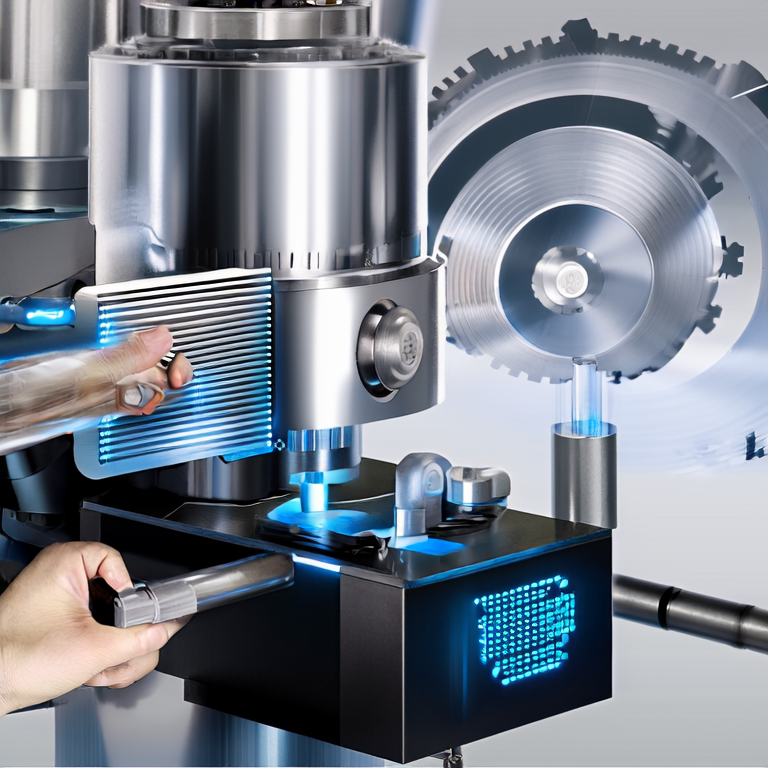 .
.


评论
发表评论